◊ Nicholas Winton, rescuer of children during the Holocaust, dies at 106, By Emily Langer
|
◊ Private Henry Johnson distinguished himself by extraordinary acts of heroism, By Congressional Medal of Honor Society
|
◊ Walter F. Mazzone, Navy veteran who helped lead Sealab, dies at 96, By Emily Langer
|
◊ Gene Windsor, who rescued Air Florida crash survivors in 1982, dies at 74, By Matt Schudel
|
◊ Remembering Louis Zamperini
|
◊ Ola L. Mize, Honored for Heroics in Korean War, Dies at 82, By Douglas Martin
|
◊ Pensioner who hid medals and absconded from care home found at D-Day celebrations in France, By Ben Farmer
|
◊ Last of original group of Navajo Code Talkers dies
|
◊ Not all heroes are military - or even adults
|
◊ Bill Ash, WWII prisoner who attempted multiple escapes from POW camps, dies at 96
|
◊ Kurt Chew-Enn Lee, Marine Corps Hero dies at 88.
|
◊ Walter D. Ehlers, Medal of Honor recipient who took part in D-Day, dies at 92
|
◊ Nick "Nicky" Bacon, Congressional Medal of Honor recipient for heroism during the Vietnam War passed away at the age of 65.
|
◊ John J. McGinty III, Vietnam veteran who received the Medal of Honor, dies at 73
|
◊ Mavis Batey, code breaker during World War II, dies at 92
|
◊ John D. "Bud" Hawk World War 2 veteran and Medal of Honor recipient has passed away at the age of 89
|
◊ Nicholas Oresko, Oldest Medal of Honor recipient dies at 96
|
◊ Bud Day, Vietnam veteran who received the Medal of Honor, dies
|
◊ Wildfire Tragedy in Arizona
|
◊ Honoring our First Responders
|
◊ Bob Fletcher, who saved farms of interned Japanese Americans, dies at 101
|
◊ Texas Fire Fighters Fatalities
|
◊ Maureen Dunn, Vietnam widow and advocate for POWs, MIAs and their families, dies at 72
|
◊ Emil Kapaun, who ministered to Korean War POWs, to receive posthumous medal
|
◊ Ewald-Heinrich von Kleist, conspirator in plot to kill Hitler, dies
|
◊ Thomas C. Griffin, Doolittle Raider
|
◊ Hard-working actor Charles Durning dies at 89
|
◊ Reis Leming, American airman who rescued 27 people in historic 1953 British storm, dies at 81
|
◊ Medal of Honor recipient James L. Stone, 89, dies
|
◊ Joe Vaghi dies; Navy beachmaster who helped lead the invasion of Omaha Beach on D-Day was 92
|
◊ Retired Air Force Lt. Col. Woodrow W. Crockett dies; decorated Tuskegee Airman served in World War II, Korean War
|
◊ Neil Armstrong, first man to step on the moon, dies at 82
|
◊ Tuskegee airman George Hickman 88 dies
|
◊ Bob Slaughter, D-Day veteran who helped create National Memorial in Bedford,Va.
|
◊ Wesley A. Brown, first black Naval Academy graduate, dies at 85
|
◊ Margie Stewart, U.S. militarys official pinup in World War II, dies
|
◊ OSS agent who led WWII rescue of more than 500 US airmen shot down by Nazis dies in NY
|
◊ Raymond Aubrac, French Resistance leader, dies at 97
|
◊ Joseph L. Stephenson, decorated World War II Army officer, Prince Georges teacher and coach, dies at 93
|
◊ William R. Charette, Medal of Honor recipient, dies at 79
|
◊ George Kerchner, Army Ranger who led D-Day attack on German gun positions, dies at 93
|
◊ Decorated World War II vet who later fought for right to fly U.S. flag at home in Va. dies at 92
|
◊ Tina Strobos, Dutch student who rescued 100 Jews during the Holocaust, dies at 91
|
◊ 'Band of Brothers' veteran Buck Compton dead at 90
|
◊ J. Cameron Wade, World War II veteran and activist for forgotten black soldiers, dies at 87
|
◊ Warren A. Skon, Navy ace pilot in WWII
|
◊ John F. Baker Jr., Medal of Honor recipient, dies at 66
|
◊ Mike Colalillo WWII medal of honor recipient dead at 86
|
◊ Gordon Hirabayashi, Japanese American who defied internment order, dies at 93
|
◊ Nancy Wake, 'White Mouse' of World War II, dies at 98, by Adam Bernstein
|
◊ Ace Navy pilot led National Security Agency under Nixon administration, by T. Rees Shapiro
|
◊ Reginald Augustine, part of secret mission to find Nazi scientists, dies at 97, by T. Rees Shapiro
|
◊ John R. Alison, daring WWII ace who led Burma invasion, dies at 98, by T. Rees Shapiro
|
◊ Paul J. Wiedorfer, WWII Medal of Honor recipient, dies at 89, by T. Rees Shapiro
|
◊ Obituary: Kim Hill, 44, whose fight with leukemia led to first Ronald McDonald House, by Dennis McLellan
|
◊ Last U.S. World War I veteran Frank W. Buckles dies at 110, by Paul Duggan
|
◊ Christian J. Lambertsen, OSS officer who created early scuba device, dies at 93, by T. Rees Shapiro
|
◊ Bill Bower, last surviving bomber pilot of WWII Doolittle Raid, dies at 93, by T. Rees Shapiro
|
◊ Obituary: Richard 'Dick' Winters, courageous WWII officer portrayed in 'Band of Brothers', by T. Rees Shapiro
|
◊ Geraldine Doyle, 86, dies; one-time factory worker inspired Rosie the Riveter and 'We Can Do It!' poster, by T. Rees Shapiro
|
◊ Frank Bessac, anthropologist who made daring escape from war-torn China, dies at 88, by T. Rees Shapiro
|
◊ Hall of Fame pitcher Bob Feller, 92, dies, by Matt Schudel
|
◊ Honoring Bill Mauldin, Sgt., USA - America's Greatest War Cartoonist (An edited anonymous email received by Papa Chris, December 2010)
|
◊ A Local Life: Margaret Kerr Boylan, 89, piloted military planes around U.S. during World War II, by T. Rees Shapiro
|
◊ Some Thoughts on the Recent Medal of Honor Award, by Christopher M. Clarke
|
◊ Obama awards Medal of Honor to Giunta, by John Ryan
|
◊ John K. Beling, commander of aircraft carrier during 1967 fire at sea, dies at 91, by Timothy R. Smith
|
◊ WWII Aviator's Long Journey To His Final Resting Place, by Michael E. Ruane
|
◊ Obituary: David H. McNerney, 79, received Medal of Honor for Vietnam actions, by T. Rees Shapiro
|
◊ Federal employees honored with Samuel J. Heyman Service to America Medals, by Joe Davidson
|
◊ Last Lakota code talker Clarence Wolf Guts dies at 86, by Holly Meyer
|
◊ Jerome M. McCabe, survivor of Korean War's Battle of Chosin Reservoir, dies at 84, by T. Rees Shapiro
|
◊ Medal of Honor recipient David C. Dolby dies at 64; had troubled post-military career, by T. Rees Shapiro
|
◊ Vernon J. Baker, African American Medal of Honor recipient, dies at 90, by T. Rees Shapiro
|
◊ A Hero and a National Disgrace, by Christian Davenport
|
◊ James McLaurin, member of famed Tuskegee Airmen; at 87, by J.M. Lawrence
|
◊ Korean War documentary, 'Uncommon Courage: Breakout at Chosin,' debuts, By Neely Tucker
|
◊ Oldest Medal of Honor recipient from WWII dies, by Julie Watson
|
◊ A Memorial Day Tribute
|
◊ Edward Uhl, 92; helped invent bazooka, headed Fairchild Industries, by T. Rees Shapiro
|
◊ Dorothy "Dottie" Kamenshek dead; women's professional baseball player, by Matt Schudel
|
◊ Walker M. "Bud" Mahurin, a top flying ace, dies at 91, by T. Rees Shapiro
|
◊ Robert Grimes dies at 87; WWII pilot evaded Nazi capture, by Peter Eisner
|
◊ Jaime Escalante dies, inspired 1988 film 'Stand and Deliver', By Jay Mathews
|
◊ Heinz Stahlschmidt dies; demolitions expert thwarted razing of Bordeaux, By by T. Rees Shapiro
|
◊ Officers Who Shot Pentagon Gunman Recall Moments Of Mayhem, By Christian Davenport
|
◊ WW2 Renegades Saved Lives, By T. Rees Shapiro
|
◊ 2 Teens Injured In Colorado Middle School Shooting, By Samantha Abernethy
|
| ◊ Soldier stormed Japanese machine gun bunker, by T. Rees Shapiro
|
◊ Freya von Moltke dies; Led Nazi Resistance Kreisau Circle, by Emily Langer
|
◊ Medal of Honor recipient Col. Robert L. Howard dies at 70, by T. Rees Shapiro
|
◊ Miep Gies was the last link to Anne Frank, by Monica Hesse
|
◊ Jasper Schuringa subdued alleged terrorist Umar Farouk Abdulmutallab on Northwest Airlines 253, by Soraya Roberts
|
◊ Passengers subdued man with satchels on Dulles-Vegas flight, by Avis Thomas-Lester and Martin Weil
|

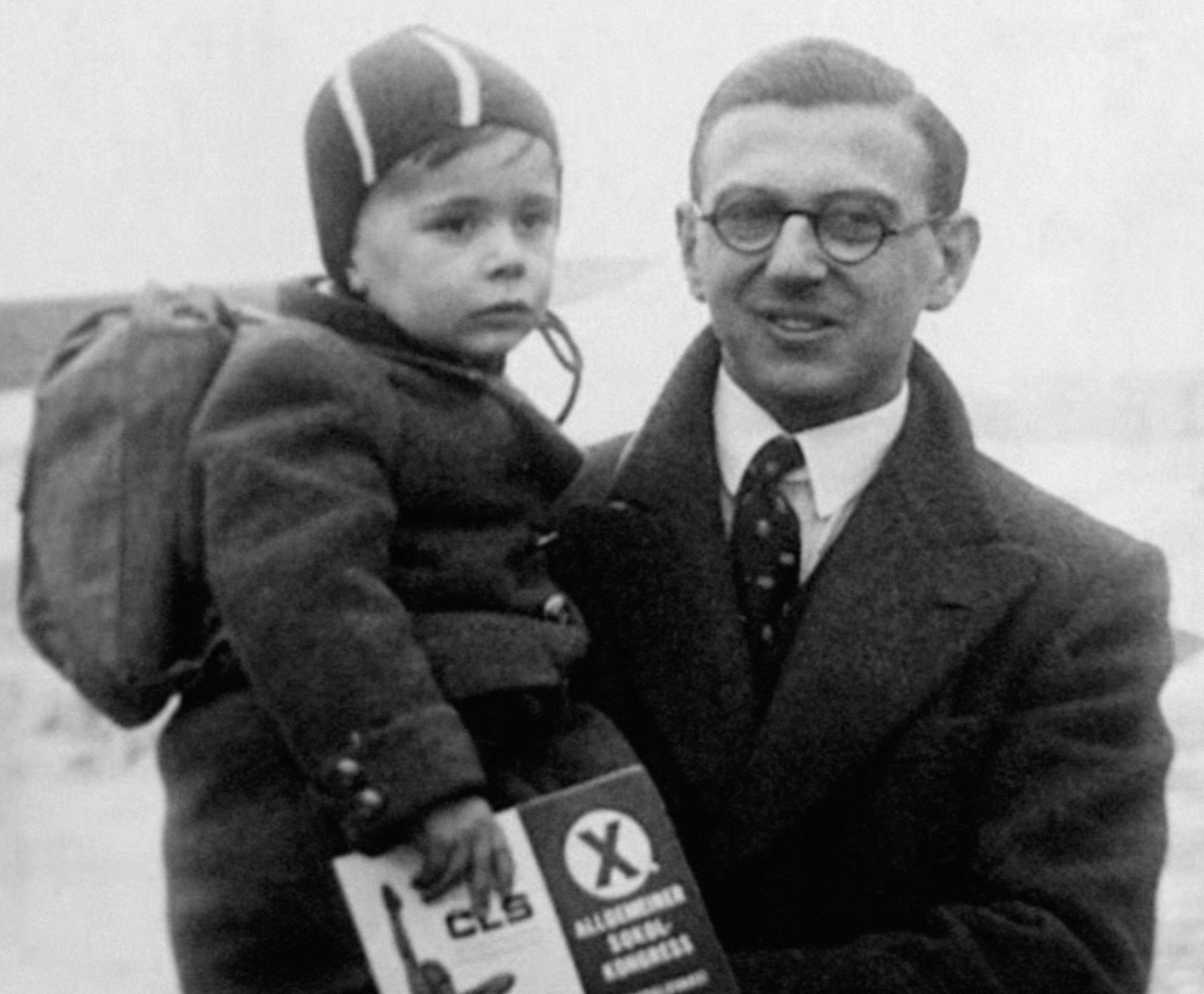 Nicholas Winton, rescuer of children during the Holocaust, dies at 106. Inspired by the Kindertransport, a rescue operation then in place for children in Germany and Nazi-occupied Austria, Mr. Winton set about a mission he called his "wartime gesture." He was credited with saving, through his personal initiative, the lives of at least 669 boys and girls. For decades after the war, he kept his work secret. Read his story here: http://www.washingtonpost.com/world/europe/nicholas-winton-rescuer-of-children-during-the-holocaust-dies-at-106/2015/07/01/78abbe24-2001-11e5-bf41-c23f5d3face1_story.html
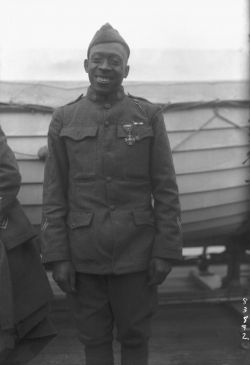 Private Henry Johnson distinguished himself by extraordinary acts of heroism at the risk of his life above and beyond the call of duty while serving as a member of Company C, 369th Infantry Regiment, 93d Infantry Division, American Expeditionary Forces on May 15, 1918, during combat operations against the enemy on the front lines of the Western Front in France.
For more on his citation, see http://www.cmohs.org/recipient-detail/3517/johnson-henry.php.
Private Henry Johnson distinguished himself by extraordinary acts of heroism at the risk of his life above and beyond the call of duty while serving as a member of Company C, 369th Infantry Regiment, 93d Infantry Division, American Expeditionary Forces on May 15, 1918, during combat operations against the enemy on the front lines of the Western Front in France.
For more on his citation, see http://www.cmohs.org/recipient-detail/3517/johnson-henry.php.
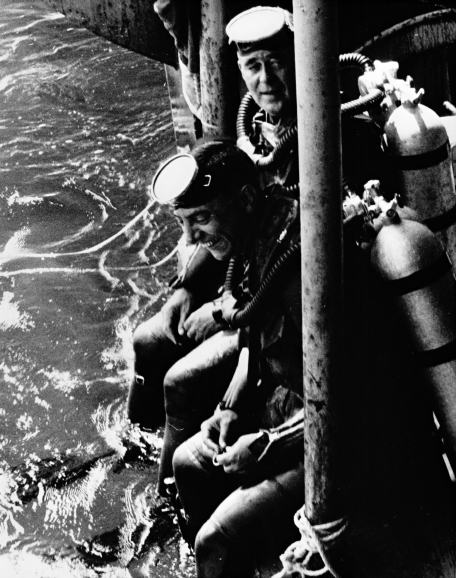 Walter F. Mazzone, a retired Navy captain who pushed the limits of human underwater activity in battle and in peace, first aboard submarines during World War II and later with the Navy's pioneering Sealab program, died Aug. 7 at his home in San Diego. He was 96.
For more on his remarkable life, see http://www.washingtonpost.com/national/walter-f-mazzone-navy-veteran-who-helped-lead-sealab-dies-at-96/2014/09/09/272f5dce-3378-11e4-a723-fa3895a25d02_story.html.
Walter F. Mazzone, a retired Navy captain who pushed the limits of human underwater activity in battle and in peace, first aboard submarines during World War II and later with the Navy's pioneering Sealab program, died Aug. 7 at his home in San Diego. He was 96.
For more on his remarkable life, see http://www.washingtonpost.com/national/walter-f-mazzone-navy-veteran-who-helped-lead-sealab-dies-at-96/2014/09/09/272f5dce-3378-11e4-a723-fa3895a25d02_story.html.
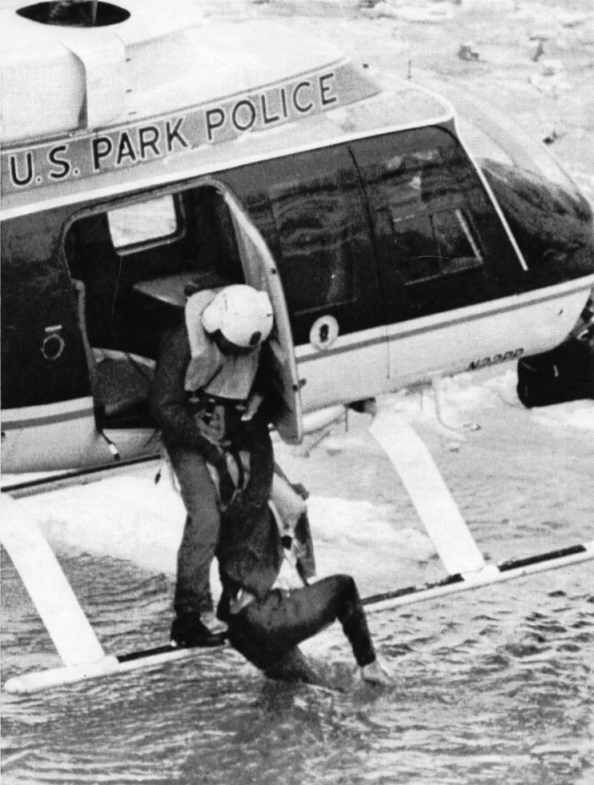 Not all heroes are military. M.E. "Gene" Windsor, who died of a cerebral aneurysm on August 24, risked his life repeatedly to rescue survivors from the January 13, 1982 Air Florida crash in the frozen Potomac River. As a helicopter-borne paramedic, he repeatedly hauled survivors in from the frozen river, standing on the helicopter's skids with no safety harness. Read about his heroic actions at http://www.washingtonpost.com/local/obituaries/me-gene-windsor-who-rescued-air-florida-crash-survivors-in-1982-dies-at-74/2014/09/03/3bbfe206-32c2-11e4-9e92-0899b306bbea_story.html.
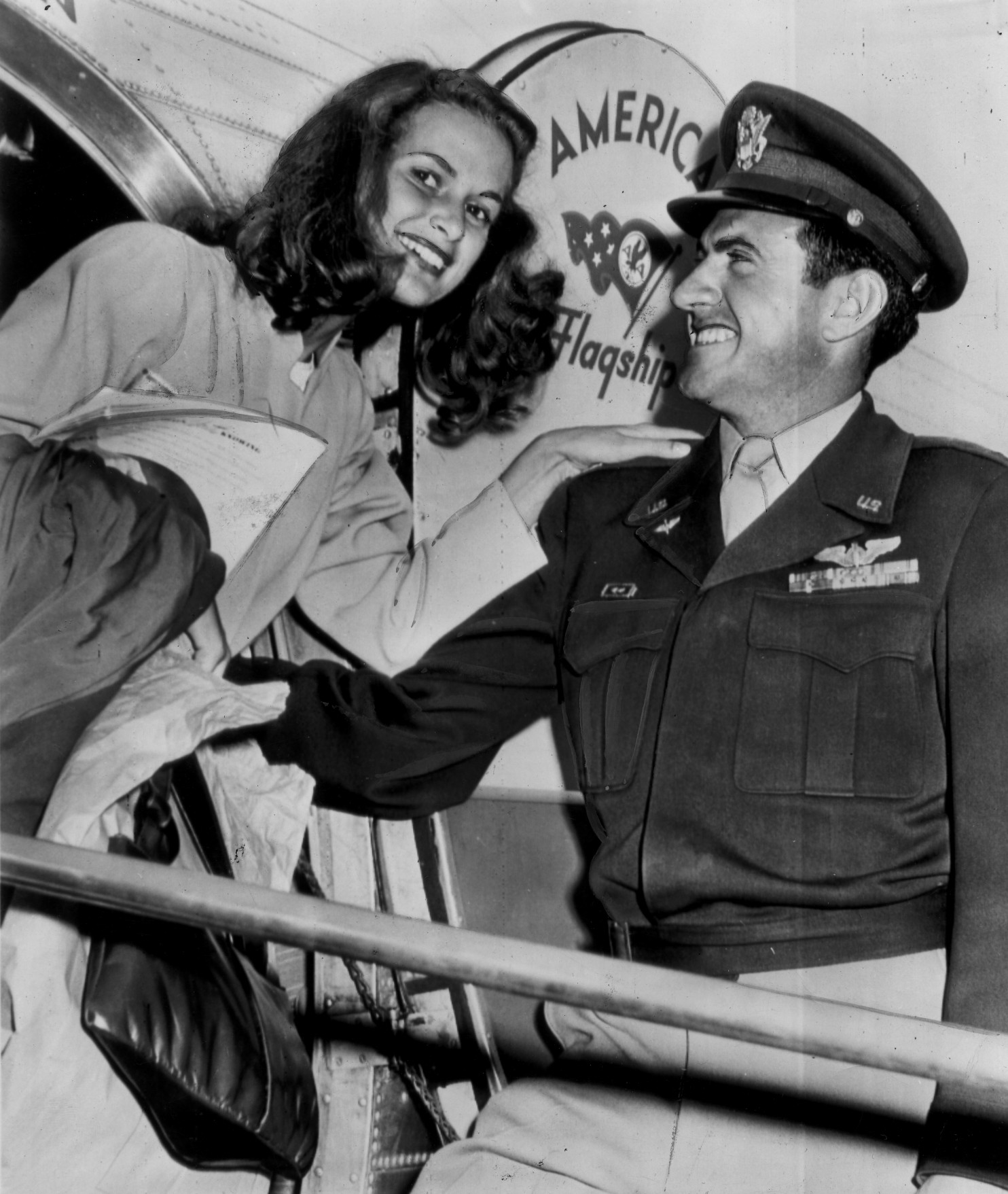
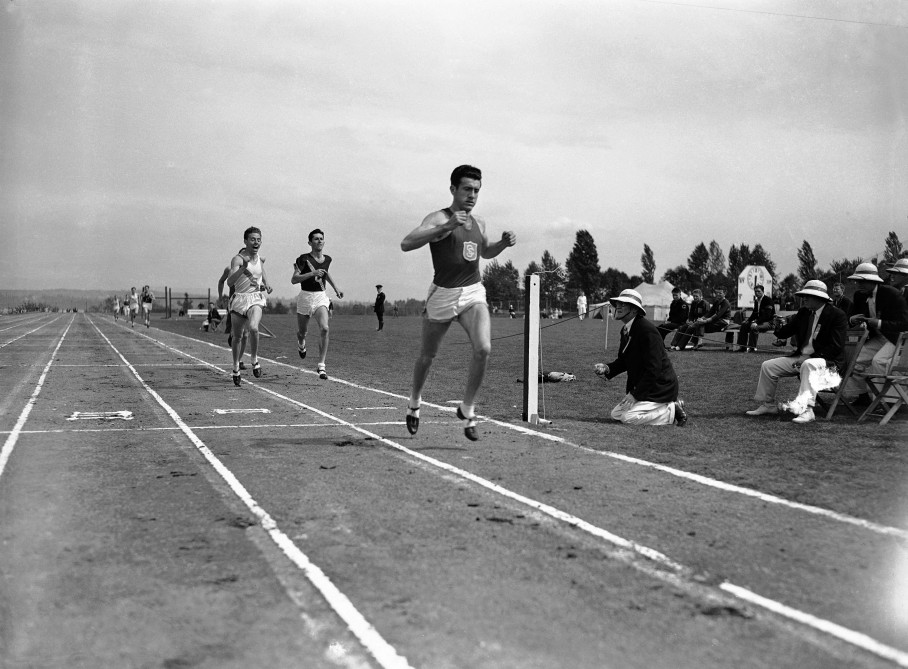 Louis Zamperini, both an Olympic and War hero, who lived an amazing life and survived the worst that can be thrown at a person, died in early July at 97. For more on his fascinating life, see Lee Habeeb (National Review), Remembering Louis Zamperini, A soldier who taught the world about heroism, love, and redemption." or Cindy Boren (Washington Post) "Louis Zamperini, war hero, Olympian and subject of best-seller, dies at 97". Laura Hillenbrand's "Unbroken: A World War II Story of Survival, Resilience, and Redemption" (2010) tells his story, as will a movie--to open on Christmas Day 2014--directed by Angelina Jolie.
 Ola L. Mize, a sharecropper's son who was awarded the Medal of Honor for valor after leading his outnumbered men in harrowing combat in the Korean War and single-handedly killing dozens of enemy soldiers, died on March 5 at his home in Gadsden, Ala. He was 82.
See full story at http://www.nytimes.com/2014/03/17/us/ola-l-mize-korean-war-hero-dies-at-82.html.
Ola L. Mize, a sharecropper's son who was awarded the Medal of Honor for valor after leading his outnumbered men in harrowing combat in the Korean War and single-handedly killing dozens of enemy soldiers, died on March 5 at his home in Gadsden, Ala. He was 82.
See full story at http://www.nytimes.com/2014/03/17/us/ola-l-mize-korean-war-hero-dies-at-82.html.
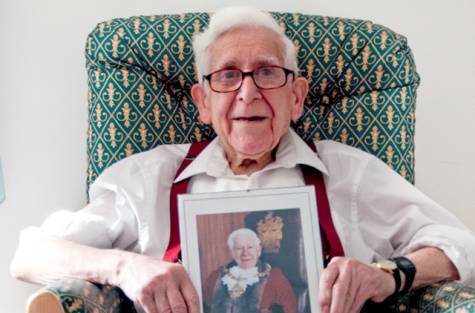 "Pensioner who hid medals and absconded from care home found at D-Day celebrations in France. The 89-year old was reported missing from his Hove care home but actually sneaked onboard a coach for a final reunion with his D-Day comrades across the Channel." See his amazing and inspiring story at http://www.telegraph.co.uk/news/10881513/Pensioner-who-hid-medals-and-absconded-from-care-home-found-at-D-Day-celebrations-in-France.html.
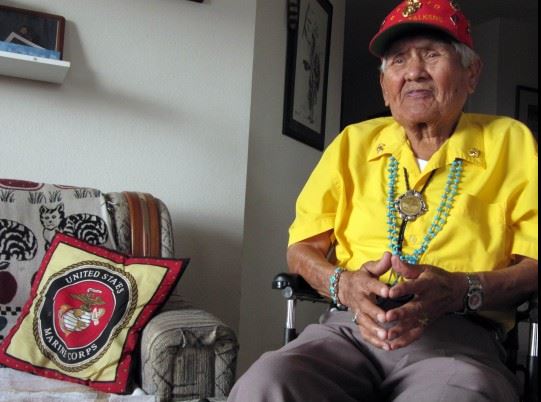 The language he once was punished for speaking in school became Chester Nez's primary weapon in World War II. Read more here: http://www.washingtonpost.com/local/obituaries/last-of-original-group-of-navajo-code-talkers-dies/2014/06/04/68e08aa6-ec09-11e3-b10e-5090cf3b5958_story.html?tid=sm_fb
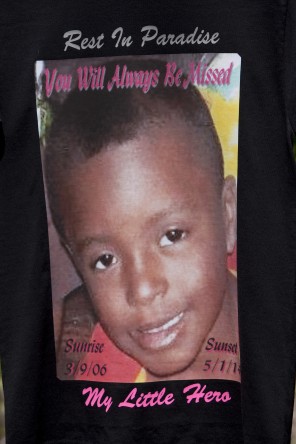 As we think about heroes, let us keep in mind Marty Cobb. He started off a tiny boy, born prematurely and survived open-heart surgery at 3 months. He grew up fast, and took to heart his mother's injunction that he was the "man of the family." He adored his older sister, and took his responsibility seriously always to try to protect her. On May 1, he tried to do just that.
 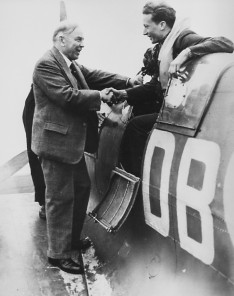 Bill Ash, a Texas-born fighter pilot with the Royal Canadian Air Force, who was shot down over France and made more than a dozen daring efforts to escape from German prisoner-of-war camps during World War II, died April 26 in London. He was 96." For more information on this hero's fascinating adventures, see http://www.washingtonpost.com/world/bill-ash-wwii-prisoner-who-attempted-multiple-escapes-from-pow-camps-dies-at-96/2014/05/10/163bc34a-d79d-11e3-8a78-8fe50322a72c_story.html
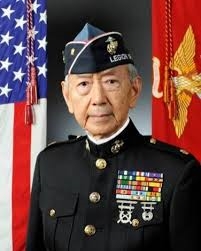 As a first lieutenant and platoon leader in 1950, Kurt Chew-Een Lee earned the Navy Cross and the Silver Star, two of the military's highest combat decorations for valor, in a 36-day period that included some of the fiercest and highest-casualty fighting of the Korean War. Read about his heroic actions that saved thousands of American lives during the Korean War here: http://www.washingtonpost.com/national/kurt-chew-een-lee-marine-corps-hero-dies-at-88/2014/03/12/e8a474be-a947-11e3-8599-ce7295b6851c_story.html
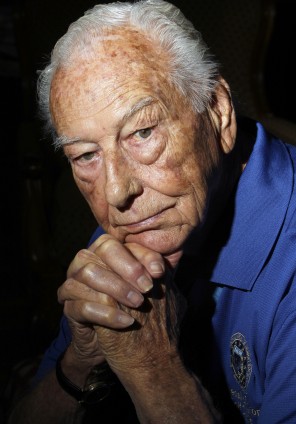 Walter D. Ehlers, the last surviving recipient of the Medal of Honor to participate in the D-Day invasion of Normandy during World War II, died Feb. 20 at a veterans' hospital in Long Beach, Calif. He was 92. Read his incredible story of heroism here. http://www.washingtonpost.com/national/walter-d-ehlers-medal-of-honor-recipient-who-took-part-in-d-day-dies-at-92/2014/02/22/d2a4e6fa-9be9-11e3-9080-5d1d87a6d793_story.html
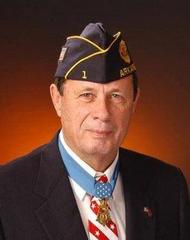 Editor's note: Nick Bacon passed away in 2010 and was 1st Sergeant of Mike Poole's MP training at Fort McClellan, Alabama. He died in 2010. Mike is a black belt under sensei Jan Hansen in Ohio.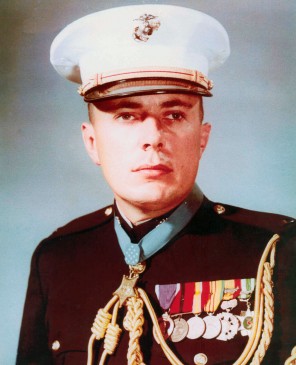
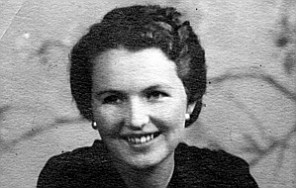
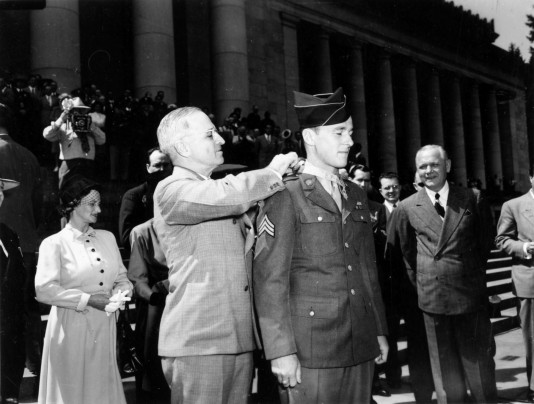 John D. "Bud" Hawk World War 2 veteran and Medal of Honor recipient has passed away at the age of 89. Read about his life and heroic actions below.
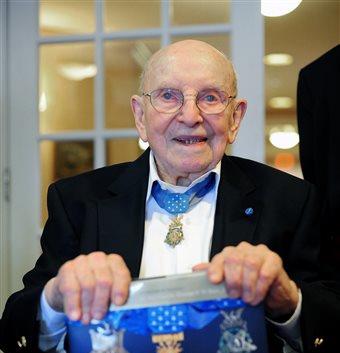 Nicholas Oresko, an Army master sergeant who was badly wounded when he single-handedly took out two enemy bunkers during the Battle of the Bulge in 1945, died Friday night at Englewood Hospital and Medical Center, hospital officials announced Saturday. He was 96. For more information, see http://news.msn.com/us/oldest-medal-of-honor-recipient-dies-at-96-1
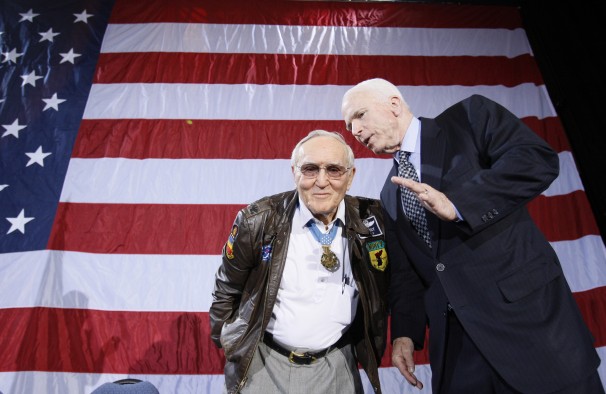 George E. "Bud" Day, an Air Force fighter pilot who received the Medal of Honor for his valor during 5 1/ 2 years as a prisoner of war in Vietnam, where he befriended his cellmate, the future Sen. John McCain, died July 27 at his home in Shalimar, Fla. He was 88." For more on this remarkable veteran of three wars, see http://www.washingtonpost.com/national/bud-day-vietnam-veteran-who-received-the-medal-of-honor-dies/2013/07/30/9318fc00-f861-11e2-8e84-c56731a202fb_story.html
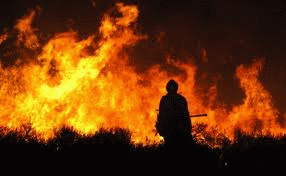 Sadly tragedy has once again struck the nation's firefighters. In Arizona 19 members of an elite task force of firefighters has perished while fighting a 23 square mile wildfire. The specially trained team of 20 firefighters had advanced ahead of the fire and was digging "breaks" clearing out anything that burns in an attempt to stop the fire from advancing, overrunning land, homes and neighborhoods. These firefighters were at the front edge of the wildfire, the most dangerous position, when something catastrophic happened causing the fire to overtake them, killing 19. A single member survived as he had separated from the team to reposition a vehicle. Once again the young age of this team of "hot shots" as they were called reminds us how suddenly a life can be taken. The average age of these men was only 22. A fire can travel up to fourteen miles an hour and jump ahead as it takes on a life of its own. For this reason citizens are asked to evacuate immediately when notified and not assume the fire will travel in a different direction or to remain at home in an attempt to protect their property with a garden hose. The number of firefighters killed at one event had not been matched for land fires since 1933.